

Today Top Uni Admit opens a Japan desk. I am writing this myself because I will be the one answering it.
I have led counselling at Top Uni Admit for fifteen years. We place around 175 students a year into universities in Australia, Canada, the UK, the United States, Germany and France, and I have personally counselled the majority of them.
Japan is a new desk, opening today. I am running it myself, and what sits behind it is nine trips to Japan since 2023, sitting with admissions offices and international divisions, and a knowledge base built from university pages and government publications.
Why Japan, and why now
India produces more engineers than it has places for. Japan has places, and a working-age population that is shrinking. JICA’s own modelling puts the shortfall at 6.74 million foreign workers by 2040.
Source: JICA Ogata Sadako Research Institute for Peace and Development, February 2022.
That is market context, and it stops there. Anyone who converts it into a job promise for you is doing you harm.
The second half of the picture is how few Indian students are there. JASSO counted 1,661 Indian students in Japanese higher education as of 1 May 2025. A single large engineering college in India graduates more students than that in a year.
Source: JASSO International Student Survey, as of 1 May 2025.
What it costs
This is the first question every family asks, so here is the arithmetic before anything else. The figures below are for a national university in a regional city.
| Item | Yen | Rupees |
| Annual tuition | ¥535,800 | ₹3.24 lakh |
| Admission fee (one-time) | ¥282,000 | ₹1.70 lakh |
| Graduate examination fee | ¥30,000 | ₹18,100 |
| Living costs, ¥105,000 a month | ¥1,260,000 | ₹7.61 lakh |
| First year, total | ¥2,202,800 | ₹13.31 lakh |
| Second year, total | ¥1,795,800 | ₹10.85 lakh |
| Two-year total | ¥3,998,600 | ₹24.16 lakh |
All rupee figures at 1 JPY = 0.6043 INR, the market close of Friday 4 September 2026, which is the last close before publication. Living costs from JASSO’s national average of ¥105,000 a month. Exchange rates move, so treat the yen figures as the real numbers and the rupee figures as a snapshot of one day.
What that figure excludes, and you should assume every consultant’s figure excludes it too:
- International airfare
- Visa and Certificate of Eligibility costs
- Move-in costs beyond an initial establishment fund
- Application and examination fees, which multiply across universities
- Any private university premium
- Tokyo or central Kansai living costs
Tuition alone is less than many private engineering colleges in India charge. The gap sits in living costs.
One planning point catches families out. Year one runs roughly ₹2.5 lakh heavier than year two, because the admission fee and the setting-up costs land once. A family budgeting from the year-two number will be short in month one.
Three things families are told wrong
One. Nobody publishes a proof-of-funds figure.
No Japanese government body publishes a monetary threshold for a student visa. Figures circulate anyway, usually around ¥2,000,000, and they get quoted as though they were law. They are estimates that hardened into folklore. If a consultant quotes you a number, ask them for the statute or the ministry page it comes from.
Two. ¥535,800 is a standard rate that institutions may depart from.
¥535,800 a year is the MEXT standard tuition rate for national university graduate programmes. It is widely followed, which is why it looks fixed. Individual institutions set their own fees within a permitted range, and some charge more. Institute of Science Tokyo charges ¥635,400. The University of Tsukuba has announced an increase for international students from April 2027, with the figure not yet published.
Budget from the fee page of the university you are applying to.
Three. The JASSO scholarship carries conditions before merit is considered.
The JASSO Monbukagakusho Honors Scholarship gets described as though most international students receive it. It is means-tested, with a ceiling on the monthly allowance a student can receive from home, and it carries a Japanese language requirement. Both conditions rule out a large share of applicants before merit enters the decision.
Timing, which decides everything else
The route we market is a final-year B.Tech student applying for an English-taught Master’s, entering in October 2027.
Please read this twice. A student graduating in May or June 2027 cannot enter in April 2027.
The Japanese academic year has an April entry and an October entry. April 2027 closes before an Indian degree completes. October 2027 is the first realistic intake.
Applications for October 2027 entry open through late 2026 and into 2027, university by university, and several windows are only days wide. If October 2027 slips, April 2028 is the fallback. Either way the work starts now, because the application windows do.
Who you will be talking to
For Japan, I am the counsellor, and I will stay the counsellor while the practice is small. That is deliberate. Every enquiry about Japan comes to me, and every answer about Japan comes from me.
Here is the question I would ask any consultant, including one competing with us. Ask who runs their Japan desk, and whether that person has ever worked in Japan.
What we promise
We provide information and preparation: shortlisting against your profile, application windows and their documentation, cost modelling, and interview and statement preparation.
Admission, scholarships, jobs and internships sit outside what any consultant can promise you, including me. Admissions committees decide admissions. Employers decide employment. Anyone who tells you otherwise is selling you something they do not control.
Where to start
The 2027 Japan Admission Guide is free. It carries the application windows we have verified against university pages, the cost model above in full, and the funding conditions in plain terms.
https://topuniadmit.com/
If you are a final-year B.Tech student targeting October 2027, this is the right week to start.
Sachin Gupta
Founder, Top Uni Admit
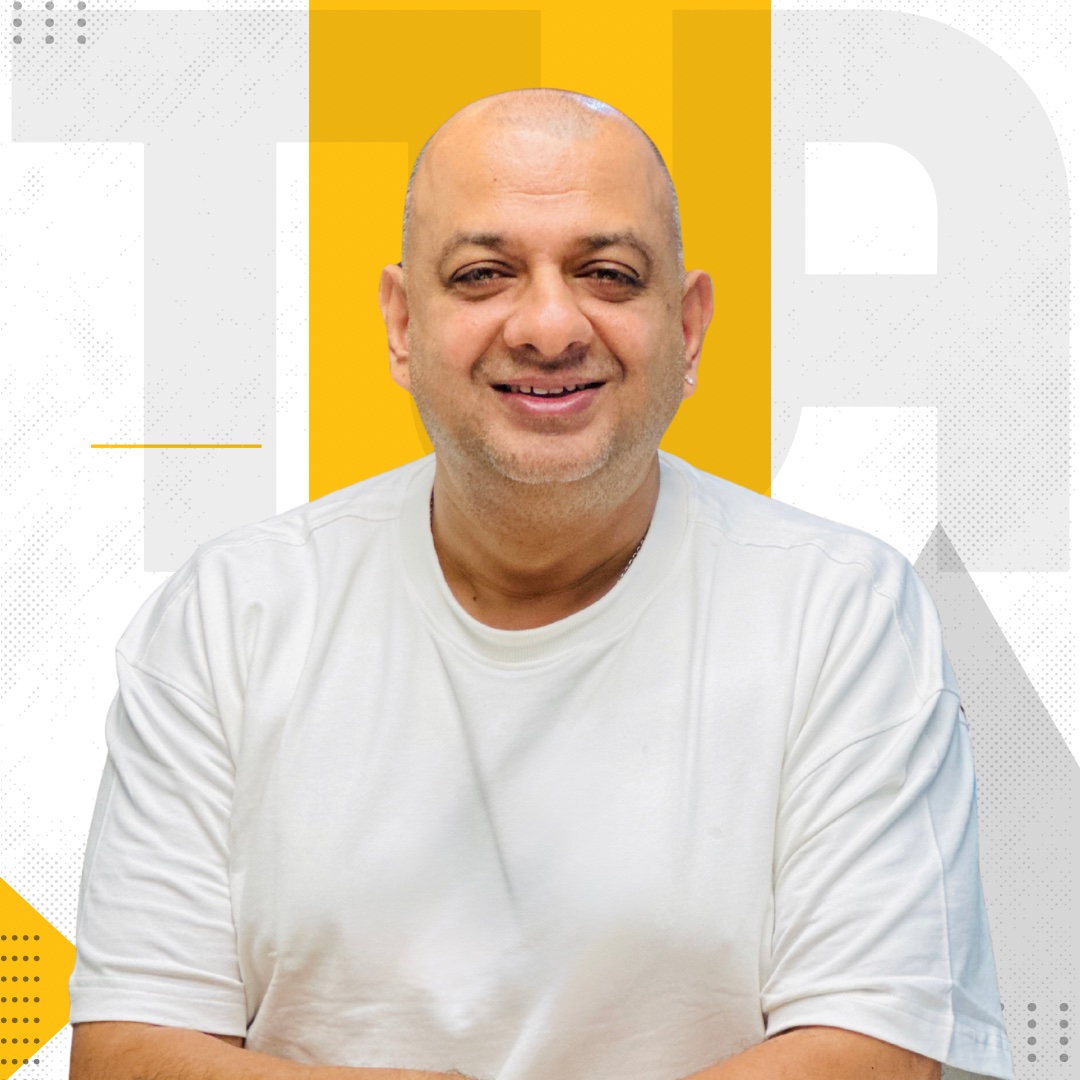
Sachin Gupta founded Top Uni Admit and runs its Japan desk. He handles every student conversation and every institutional contact for Japan personally. Top Uni Admit has advised Indian students on overseas study for fifteen years across Australia, Canada, the UK, the USA, Germany and France.